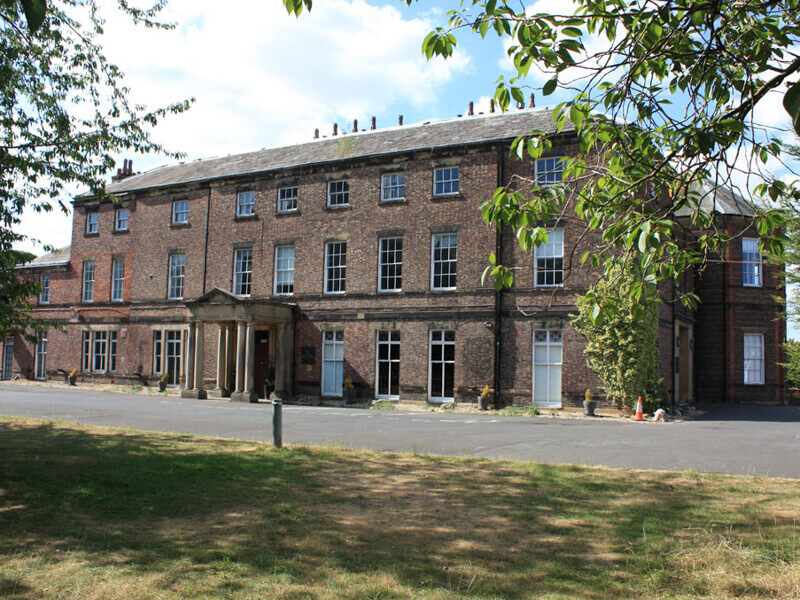
The hall, stabilised, repaired and gradually brought back to life.
The restoration of Wallsend Hall is an evolving process shaped by care, planning and long-term vision. This page documents the journey as the building is stabilised, repaired and gradually brought back to life.
Empty for three years. The scale of the task, in plain view.
These photographs show the unoccupied parts of Wallsend Hall as they stand today — the spaces formerly used as a hospital and left empty for the past three years. Behind layers of neglect, vandalism and water damage, the original Georgian proportions, tall sash windows and architectural detail are all still here, waiting to be revealed.
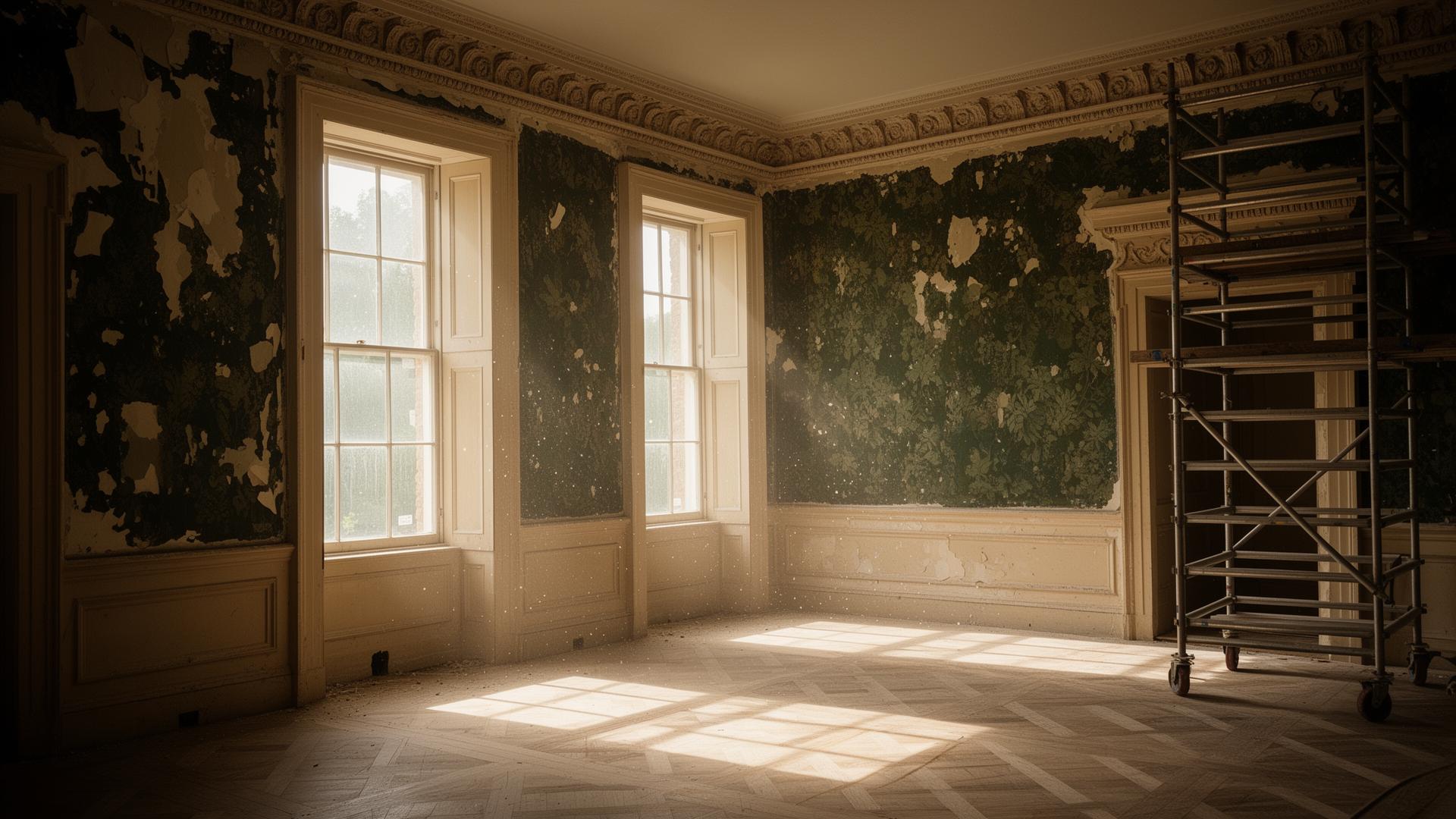
Original sash windows, neglected interior
A south-facing principal room retaining its tall Georgian sashes and proportions, beneath later hospital-era ceilings and damaged carpet.
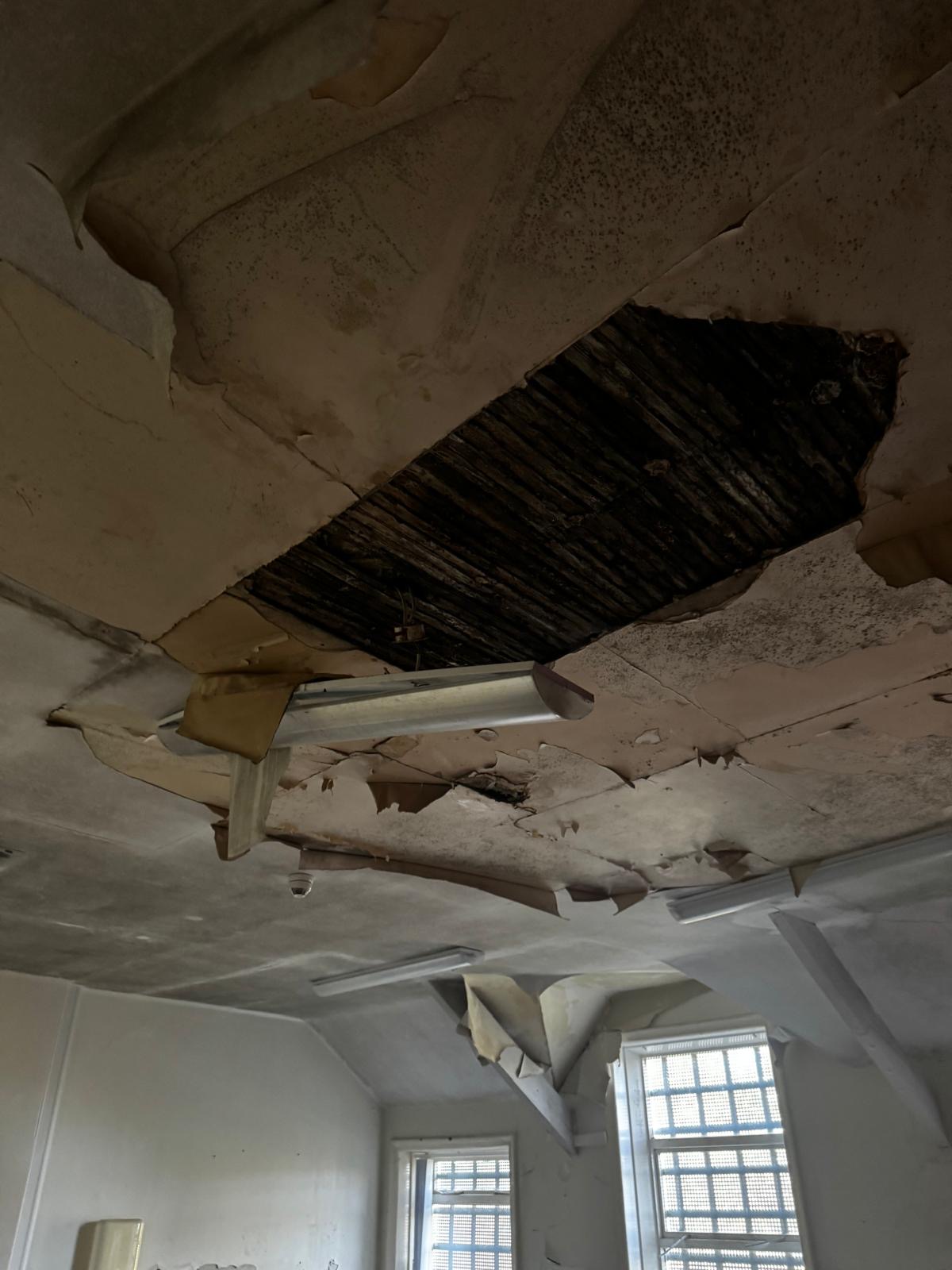
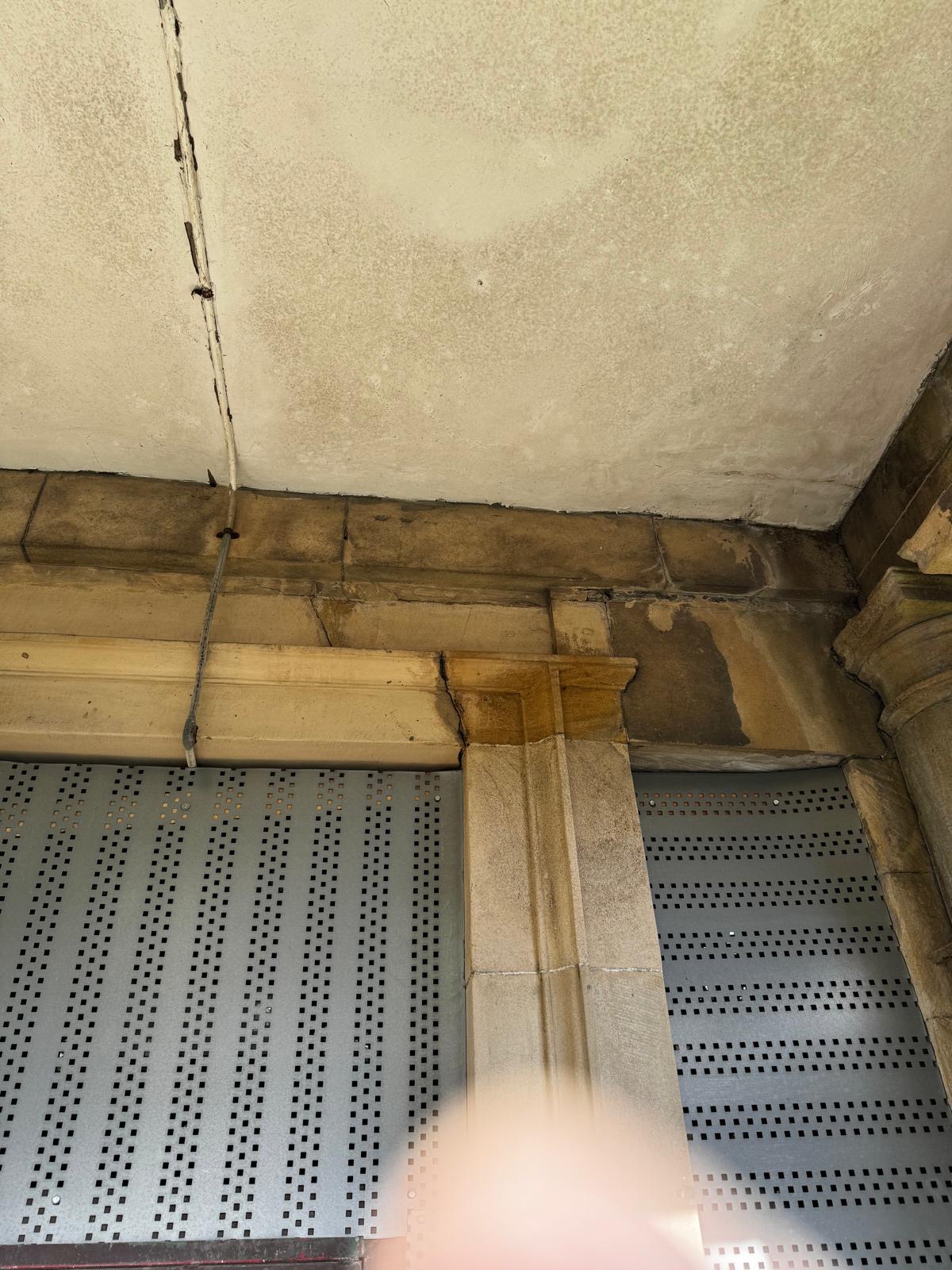
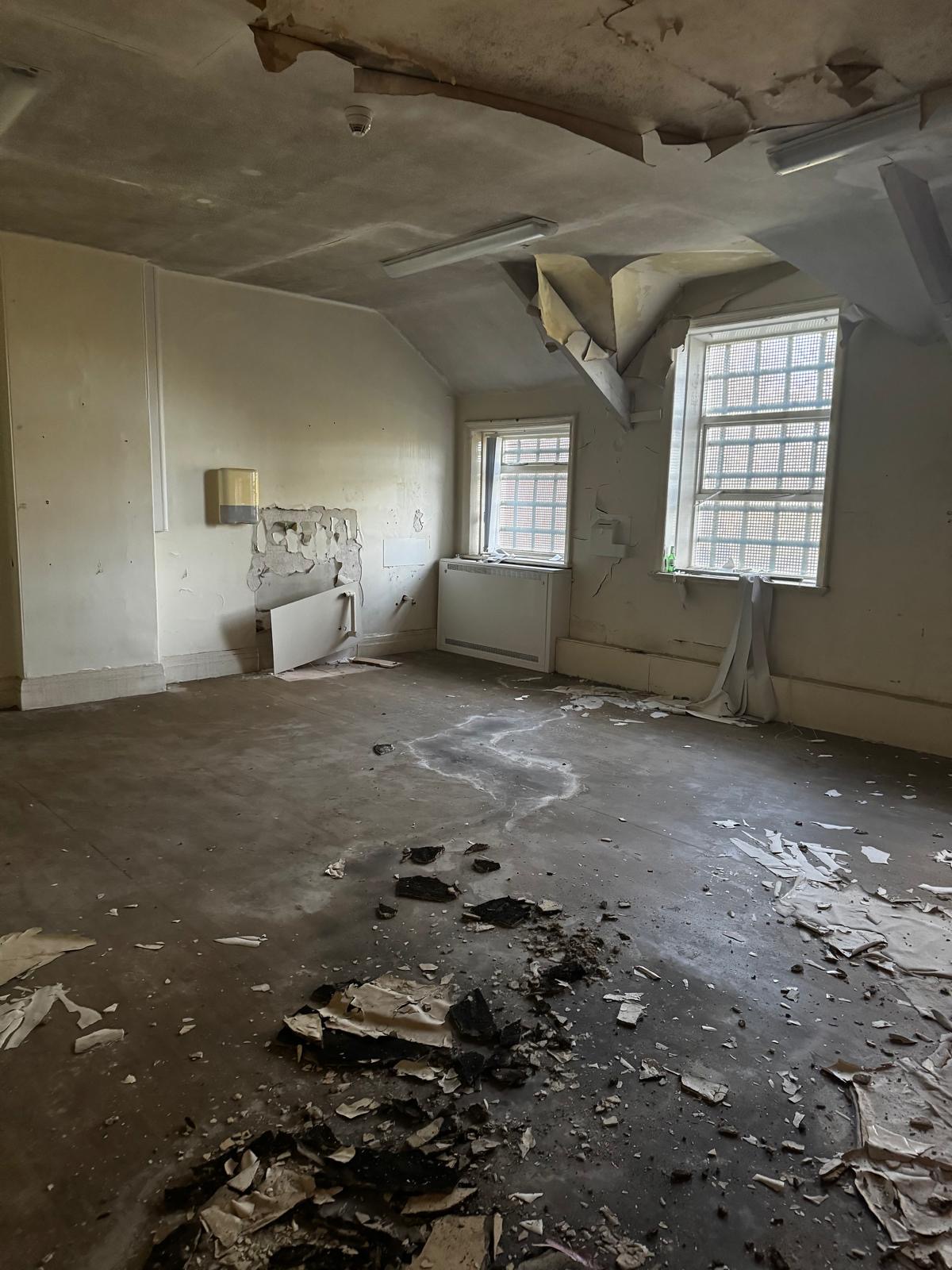
Significant ceiling collapse
Long-term water ingress has caused the lath and plaster ceiling to fail in several rooms — one of the most urgent priorities to make safe.
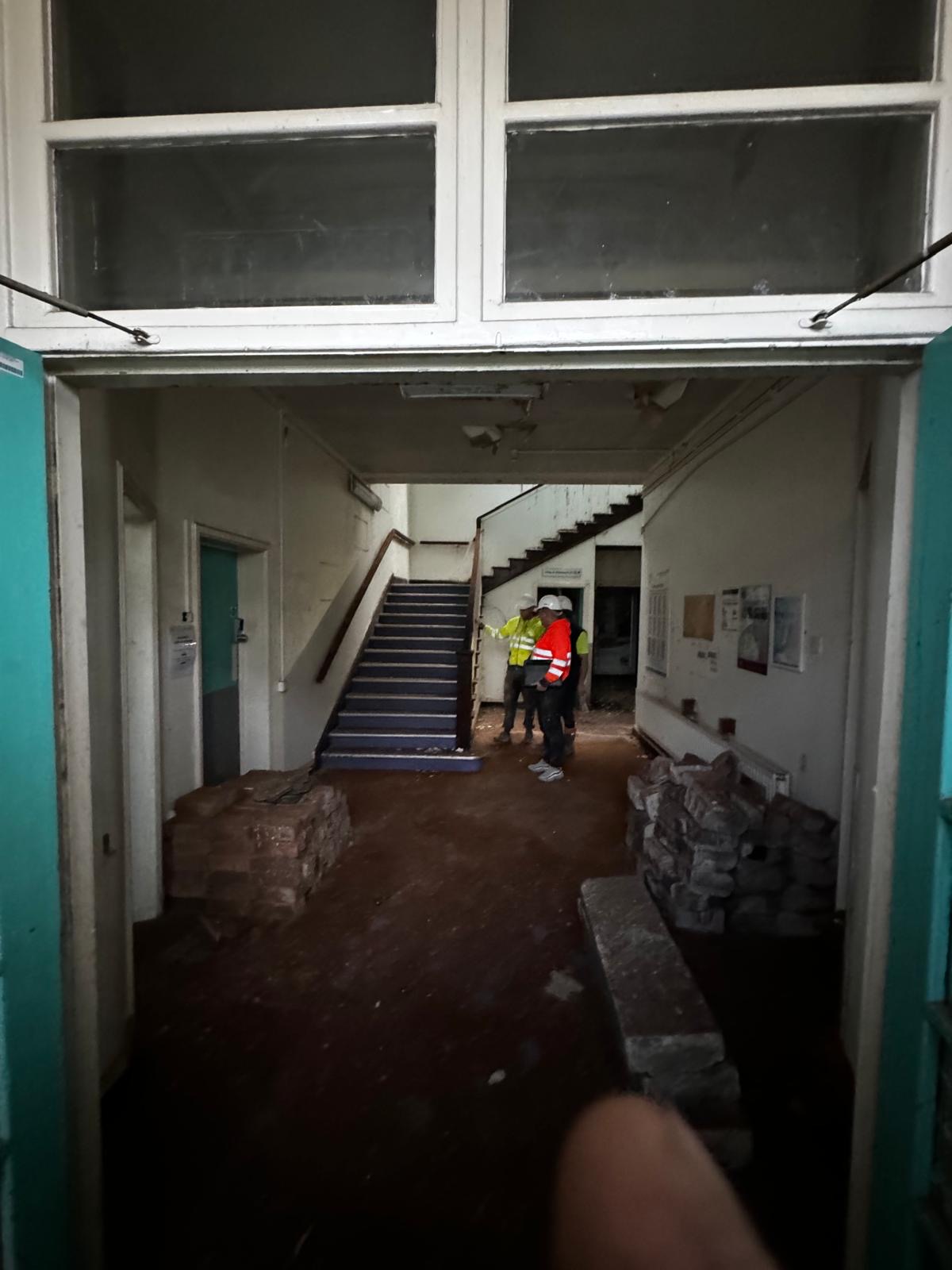
Secondary stairwell and corridors
Utilitarian stairs, suspended ceilings and clinical finishes installed during the building's NHS use, now being stripped back as part of the works.
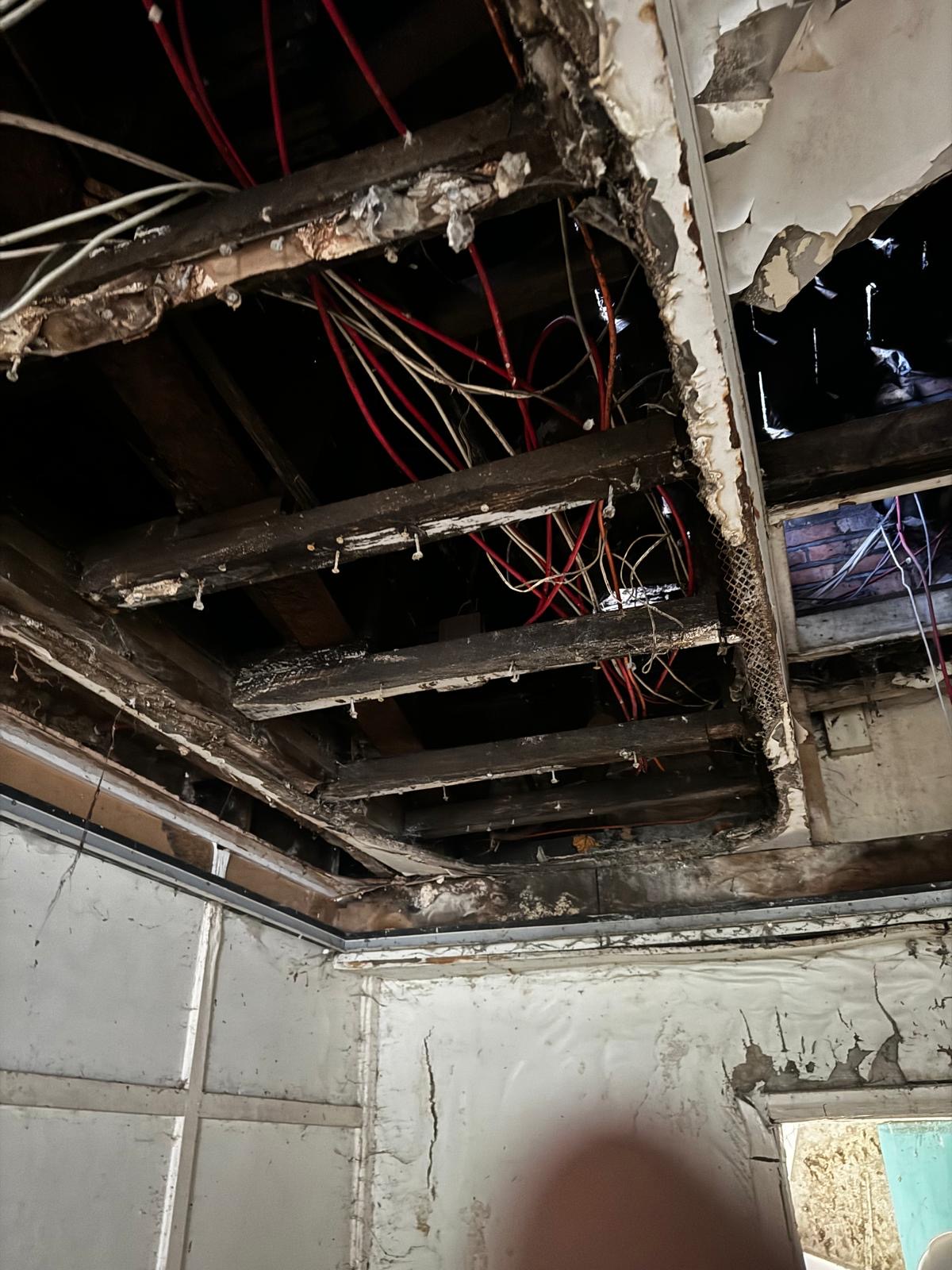
Former ward awaiting transformation
A clinical ward space — complete with its safety notices and suspended ceiling grid — earmarked to become part of the new hotel.
Securing the building, preventing further loss.
The earliest phase of work is focused on securing the building and preventing further deterioration. Roof repairs, drainage maintenance, temporary weatherproofing, glazing repairs and internal clearance all play a crucial role in protecting the hall while future phases are prepared.
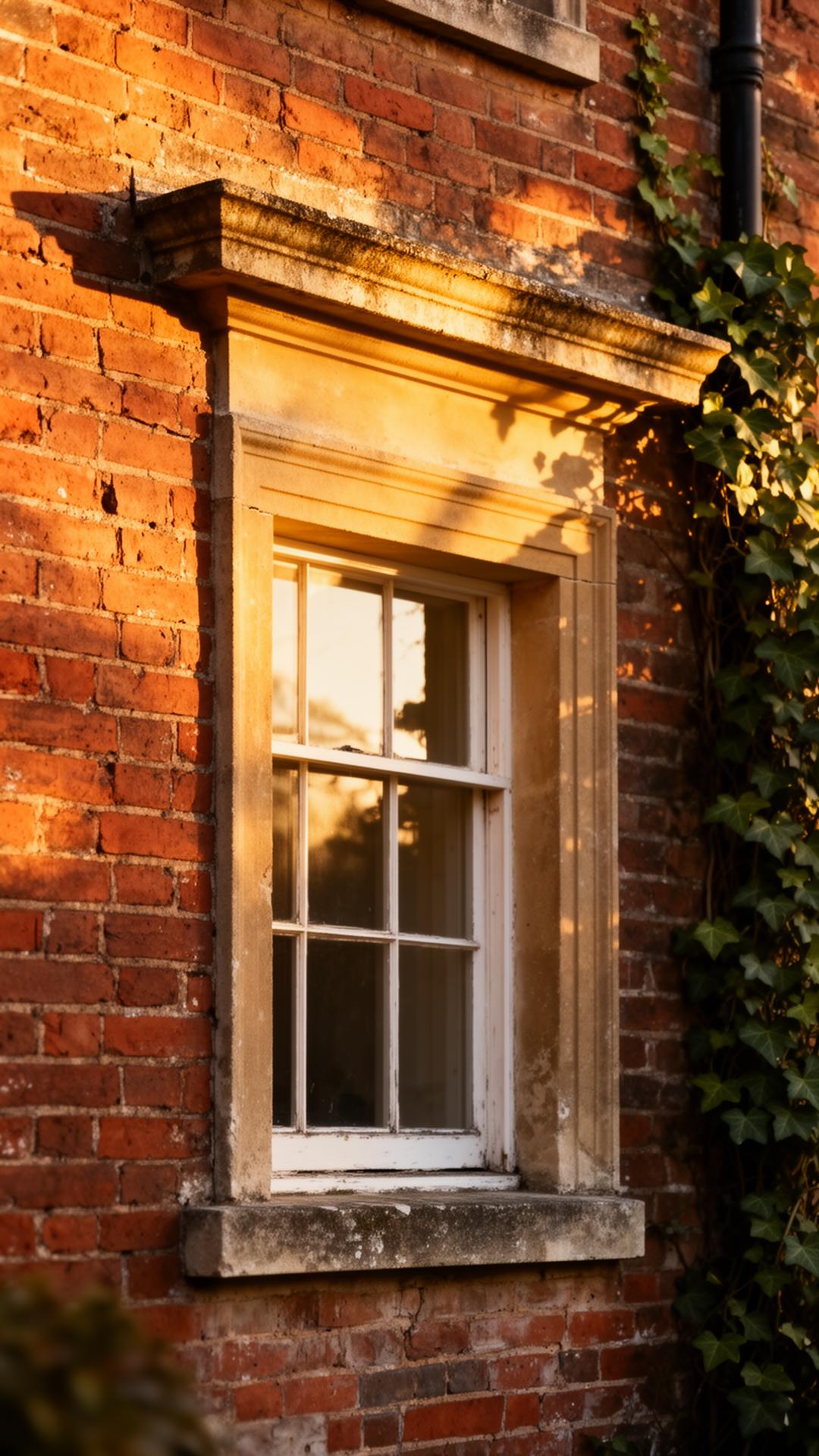
The early programme of works.
- Roof renovation and weatherproofing
- Repair or replacement of flashings, gutter linings and drainage elements
- Maintenance of external grounds and drains
- Removal of internal damage, including carcasses, guano and fungus by specialists
- Clearance of damaged carpets and plaster to reduce ongoing deterioration
- Urgent lintel repairs and glazing repairs
- Drying out the building through heat and ventilation
- Assessment and restoration planning for damaged parquet flooring
Where repair is possible, it should be prioritised.
A central part of the project is preserving the building's character. Historic flooring, traditional windows and doors, stonework, radiators and original architectural details are all being treated as important elements in the restoration process. Where replacement is necessary, it should be approached with sensitivity and in line with conservation guidance.
From stabilisation to transformation.
As urgent works are completed and approvals are secured, the focus shifts from stabilisation to transformation. Each zone of the building will move through its own process of repair, renewal and fit-out, gradually revealing the future potential of the hall.
The journey, in stages.
Immediate works and securing the structure
Stabilisation of the building envelope, urgent weatherproofing and clearance of internal damage to halt further deterioration.
Phase 1 planning and residential-office preparation
Detailed planning for the northern section, including insulation, services, and fit-out for residential and office use.
Tea rooms and hospitality fit-out planning
Design and consenting work for licensed tea rooms and an eatery to bring everyday life back into the hall.
Wedding venue and hotel development
Final phase transforming the most characterful spaces into ceremony rooms, function spaces and guest accommodation.
Documenting the work.
A growing visual record of the hall's restoration. Imagery will be added as work progresses.